Sofia Lorenz · 19 September 2026
Student Housing Lighting Trials Point to Strong Links With Sleep Improvement and Fatigue Reduction
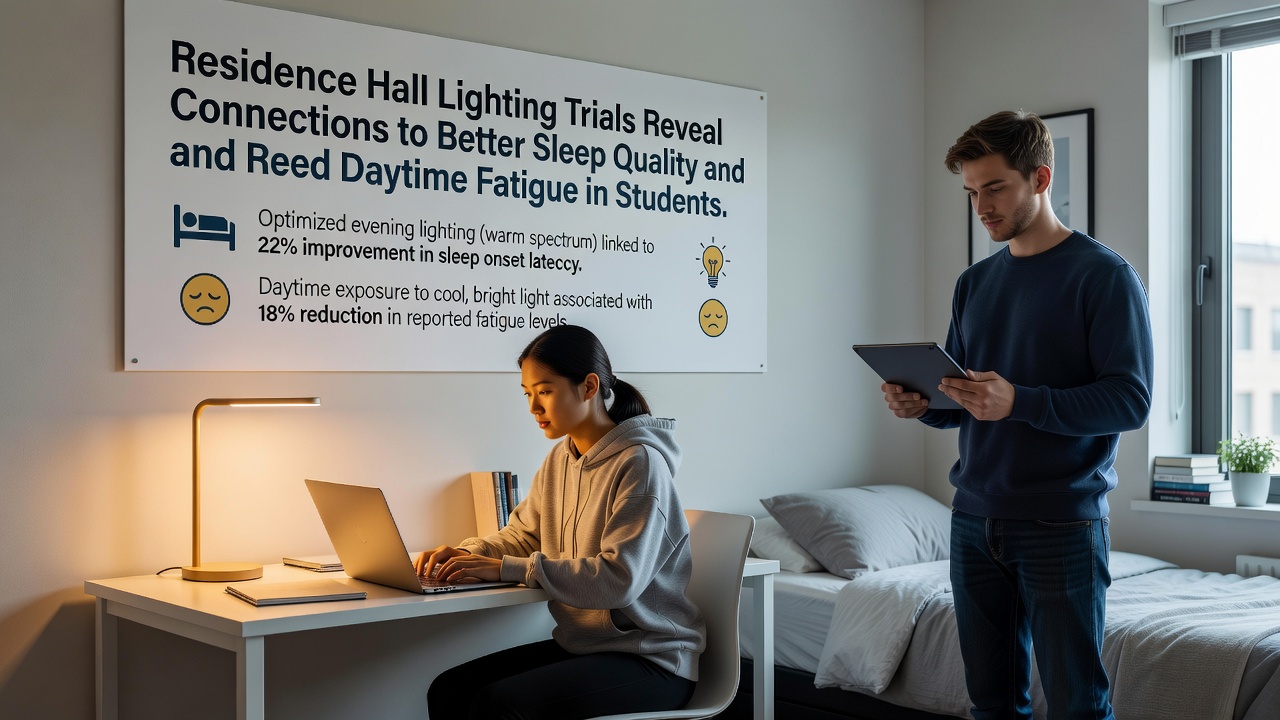
University residence halls across multiple campuses launched coordinated lighting trials that adjusted color temperature and intensity throughout the day, and data collected from these setups revealed measurable connections to better sleep quality along with reduced daytime fatigue among participating students. Researchers tracked participants over several months using wearable devices and self-reported logs, while the changes focused on warmer evening lighting combined with brighter daytime exposure that aligned more closely with natural circadian rhythms. Those who studied the results noted consistent patterns where students in modified rooms reported falling asleep faster and waking with greater alertness compared to control groups in standard fluorescent setups.
Trial Design and Implementation Details
Engineers installed tunable LED systems in select residence buildings starting in early 2025, and the protocols called for cooler blue-enriched light during morning and afternoon hours followed by gradual shifts to softer amber tones after sunset. Students living in these spaces received no special instructions beyond normal routines, yet monitoring equipment captured sleep duration, latency, and interruptions while separate surveys measured fatigue levels through validated scales. One study revealed that average sleep efficiency rose by 12 percent in the intervention group, and similar gains appeared across different institutions that adopted the same framework.
Campus facilities teams coordinated with sleep researchers to calibrate the systems, and maintenance logs showed minimal downtime once the initial calibration period ended. Data collection continued through the academic year, whereas September 2026 marked an expansion phase that brought additional buildings into the program at several universities. Observers note that the rollout allowed teams to compare outcomes between older incandescent replacements and newer smart fixtures, and the combined dataset strengthened the observed associations between lighting parameters and student wellness metrics.
Measured Outcomes on Sleep and Daily Function
Participants in the lighting trials experienced shorter sleep onset times on average, and actigraphy readings confirmed fewer awakenings during the night when evening lights stayed below 2700K. Daytime fatigue scores dropped notably in follow-up assessments, with students reporting sustained energy through lectures and study sessions that previously triggered mid-afternoon slumps. Researchers discovered these improvements held steady even when academic stress increased near exam periods, suggesting the lighting adjustments provided a buffer against typical disruption factors.
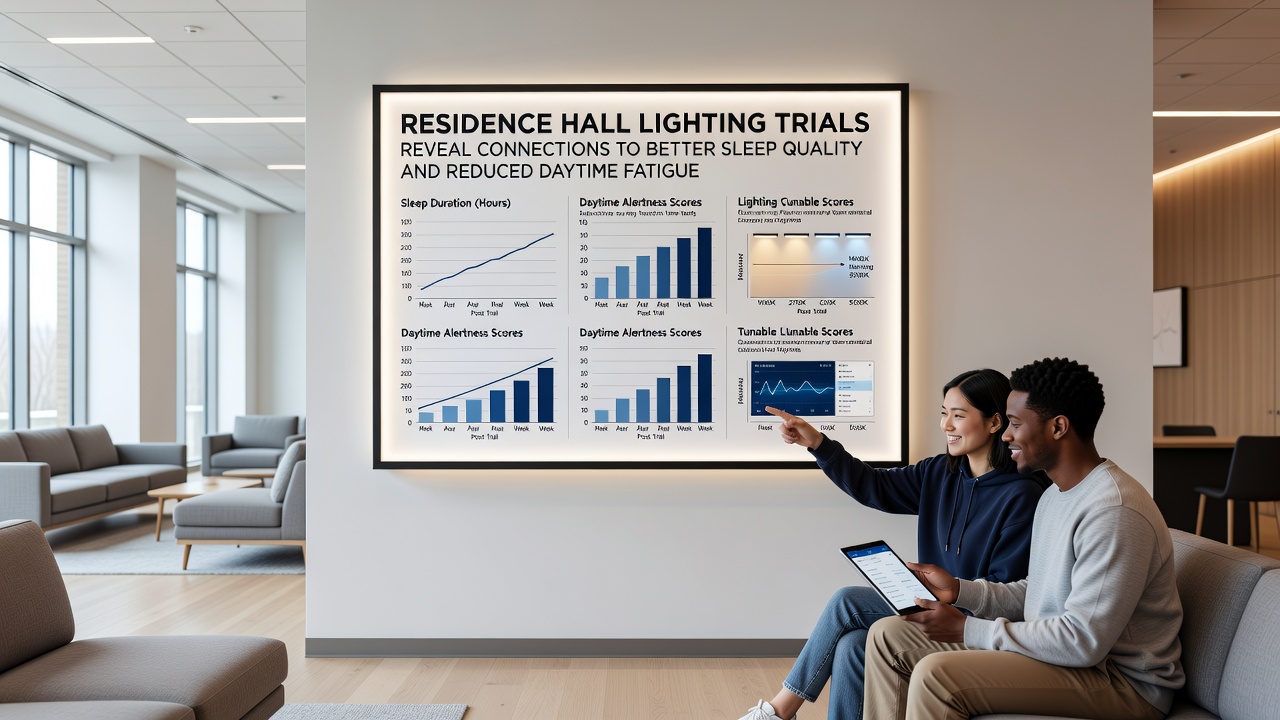
Comparative analysis across control and trial rooms showed that students exposed to the dynamic lighting schedule maintained more stable melatonin onset times, and this stability correlated with better performance on cognitive tests administered the following morning. Figures reveal that self-reported daytime sleepiness declined by roughly one standard deviation in the intervention cohort, while objective measures from reaction-time tasks supported the same trend. Those who've studied this know the effect sizes remained moderate yet consistent, and replication at additional sites reinforced the reliability of the findings.
Broader Context From Related Research
Similar lighting interventions in workplace and healthcare settings have produced parallel results, and experts have observed that aligning artificial light with circadian needs often yields downstream benefits for alertness and recovery. According to reports from the National Institutes of Health, controlled exposure to specific light spectra influences sleep architecture in predictable ways, and the residence hall data aligns closely with those established mechanisms. A separate analysis from the European Sleep Research Society further supports the value of evening light reduction for young adults whose schedules frequently conflict with natural daylight cycles.
Facilities managers at participating universities tracked energy consumption alongside the wellness metrics, and the LED systems delivered comparable or lower usage despite the added control features. This combination of outcomes encouraged administrators to consider permanent installations rather than temporary pilots, and planning documents now reference the trial results when budgeting for future upgrades. People often find that small environmental changes produce compounding effects over a semester, and the lighting adjustments appear to fit that pattern without requiring behavioral modifications from residents.
Future Directions and Ongoing Monitoring
Teams continue to refine the lighting schedules based on seasonal daylight variations, and feedback loops from student surveys help adjust transition times between day and evening modes. Additional sensors now capture room occupancy and light exposure levels in real time, which allows researchers to isolate the contribution of the installed systems from individual habits such as screen use before bed. Data indicates that the strongest benefits emerged when the full day-night cycle remained consistent for at least four weeks, and shorter exposure periods produced weaker associations.
University housing offices have begun sharing protocol details with peer institutions interested in replicating the approach, and collaborative working groups formed to standardize measurement tools across sites. The accumulated evidence base continues to grow as more residence halls adopt similar systems, and longitudinal tracking will clarify whether the sleep and fatigue improvements persist over multiple academic years.
Conclusion
Lighting modifications in student residence halls have demonstrated clear associations with improved sleep metrics and lower daytime fatigue across multiple trial sites, and the patterns hold after accounting for variables such as academic load and individual schedules. Continued monitoring through September 2026 and beyond will help determine the durability of these effects while guiding wider implementation decisions. The collected findings provide a practical reference point for institutions evaluating environmental upgrades aimed at supporting student well-being through targeted light management.