David Schmitz · 2 September 2026
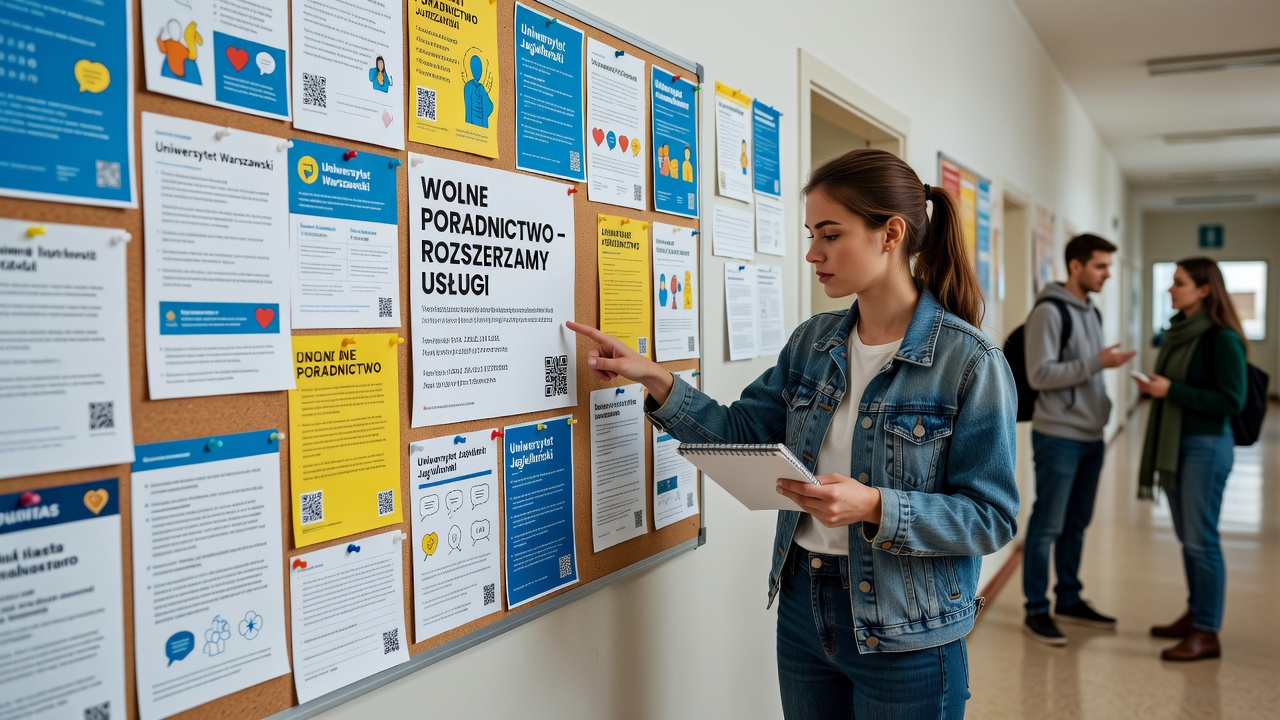
Polish universities are responding to a significant increase in demand for mental health support by expanding their free counseling services. This initiative aims to address the growing challenges faced by students in higher education across the country.
Rising Demand for Mental Health Support
Over the past few years, institutions across Poland have reported a sharp rise in students seeking psychological assistance. Factors such as academic pressure, financial concerns, and the lingering effects of the COVID-19 pandemic have contributed to this trend. According to recent surveys conducted by the Ministry of Education, nearly 40 percent of students experience moderate to high levels of stress during their studies, with many reporting symptoms of anxiety and depression.
Universities like the University of Warsaw and Adam Mickiewicz University in Poznań have noted that wait times for appointments have previously extended to several weeks. This situation has prompted administrators to prioritize mental wellbeing as a core component of campus life. International students and those from rural areas are particularly affected by these barriers to access.
Expansion of Counseling Services
In response, many universities are hiring additional counselors and psychologists to meet the demand. The Jagiellonian University in Kraków has increased its counseling staff by 50 percent, allowing for shorter wait times and more personalized sessions. Online booking systems and virtual counseling options have also been introduced to improve accessibility for all enrolled students.
Workshops on stress management, mindfulness, and resilience building are being offered regularly at multiple campuses. Partnerships with local health organizations provide additional resources, including group therapy sessions and crisis hotlines available 24 hours a day. Funding for these expansions comes from university budgets supplemented by national grants aimed at enhancing student support programs.
Student representatives have welcomed these changes, noting that early intervention can prevent more serious mental health issues from developing. Officials emphasize that maintaining free access ensures equity, allowing all students regardless of their financial background to receive necessary help without hesitation. Future plans include integrating mental health education into standard curricula to promote proactive approaches among the student population.
These efforts reflect a broader commitment to fostering healthy campus environments where students can thrive both academically and personally. Continuous evaluation and feedback mechanisms will help tailor services to the evolving needs of the university community in Poland.